
Used Noritake kitchenware & crockery in Islamabad & Rawalpindi
Is a used Noritake kitchenware & crockery worth buying?
Noritake is imported Japanese tableware and, in Pakistani homes, usually the formal service kept for guests — which is why used sets often show almost no wear. Bone china is thin and translucent; the ivory porcelain lines are heavier and more forgiving. What ages is the gold or platinum banding, which dulls and thins in a dishwasher and cannot be restored.
Imported
Parts usually have to be imported or sourced from the grey market, so a repair takes longer and costs more — which matters more on an older unit than the build quality does.
Replacement is a matching exercise, not a repair: pieces must be sourced from the same pattern through an importer or another owner. Older discontinued patterns are effectively closed, so grade sets on what is present.
Kitchenware & Crockery in stock now
Our current kitchenware & crockery, across all brands — ask us on WhatsApp if you want Noritake specifically.
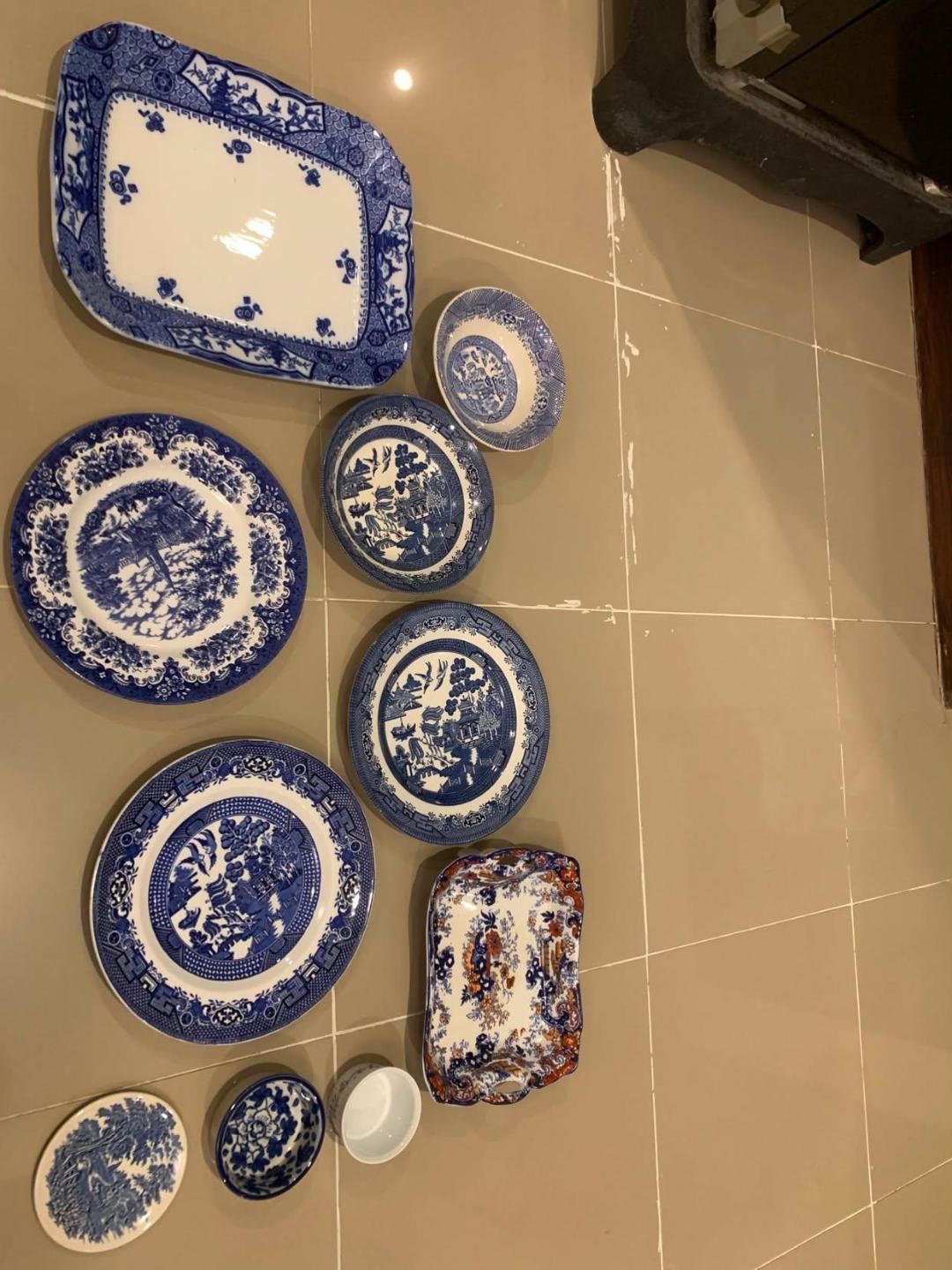 Like New
VINTAGE CROKERY
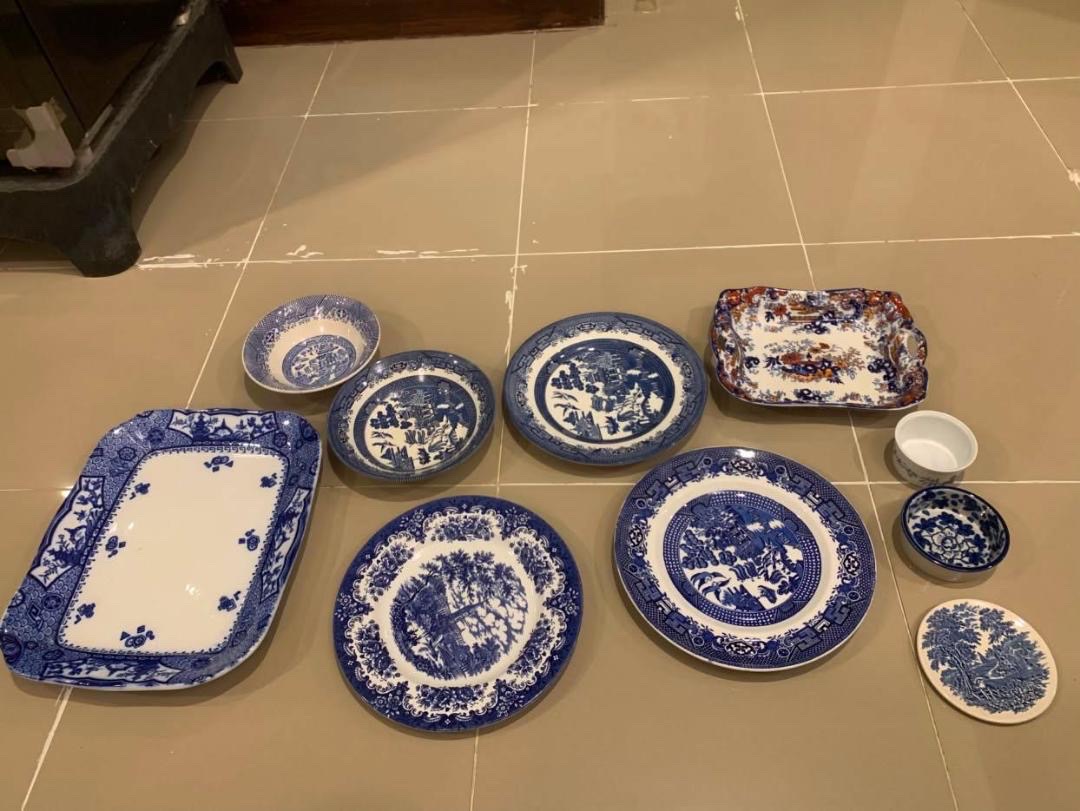 Good Used
River scenes crokery
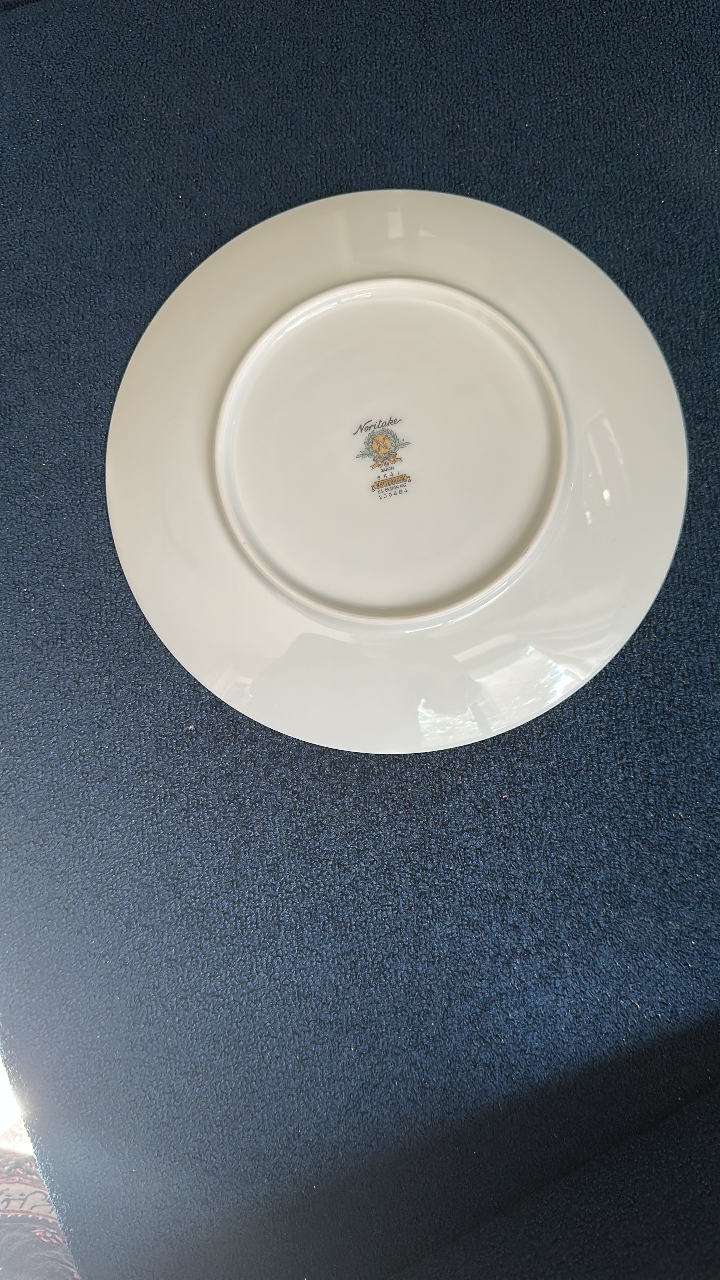 New
NewNoritake dinner set. Vintage
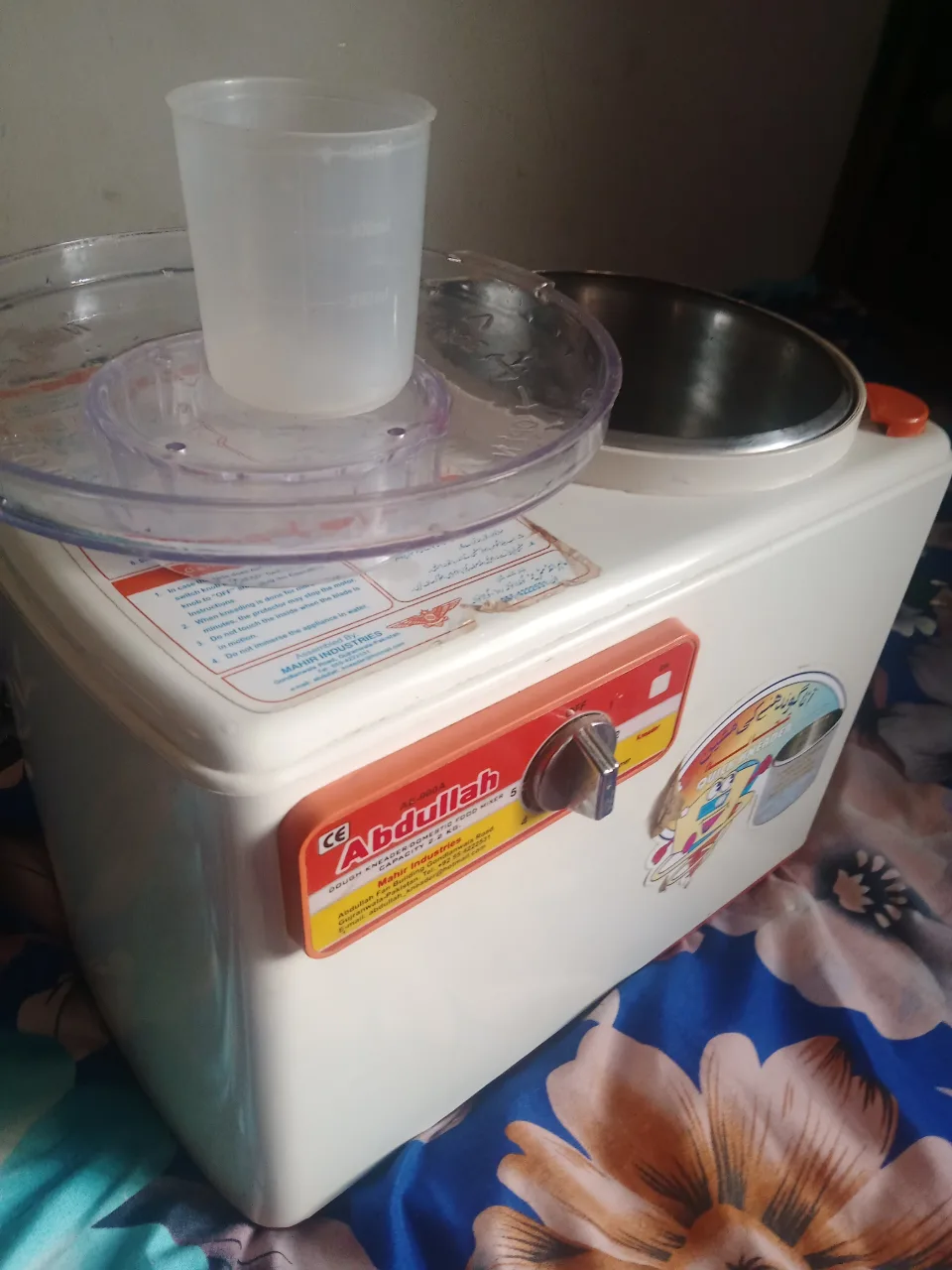 Like New
dough kneader
Checking a used Noritake kitchenware & crockery
These are specific to Noritake. The general kitchenware & crockery checks apply too and are on the kitchenware & crockery page.
Photograph the backstamp
Noritake stamps a pattern name and number plus a country — Japan, Sri Lanka, the Philippines or India depending on the line. That stamp is how a buyer matches an existing set, so it is worth more than a photo of the front.
Hold plates to the light
Bone china is translucent, which makes hairline cracks and crazing in the glaze visible when a plate is raised against a window. Crazing does not always mean damage, but it caps the grade.
Inspect the gold band
Thinning or patchy gold and platinum rims come from dishwashers and abrasive pads. It is irreversible, and it is also why these pieces must never go in a microwave.
Account for serving pieces
Tureens, large platters, gravy boats and lids carry a disproportionate share of a set's value because they are the first casualties. List them explicitly.
What Noritake kitchenware & crockery are worth
- Formal sets that were stored rather than used hold value, because condition survives and buyers of dinner services are buying appearance.
- Sets missing their serving pieces fall behind the category average — the remaining plates are the easy part to find, the tureen is not.
- Worn gilding is permanent and cannot be re-fired locally, so it moves a set down a grade regardless of how clean the plates are.
Model lines you will see second-hand
- Bone China
- Ivory China
- Colorwave
General kitchenware & crockery checks
These apply whatever the badge on the front says — the kitchenware & crockery page covers them in full.
Count settings and serving pieces
Lay a dinner service out and check it against the number of place settings it was sold as, then count the serving pieces separately: lidded bowls, the gravy jug, the large platter. A set that still has its plates but none of those sells as loose plates rather than as a service.
Run a fingernail over rims
Chips and hairline cracks catch the nail before the eye finds them. Hold plates against a window as well: a fine network of cracks in the glaze, called crazing, stains permanently and keeps spreading, so a crazed piece is decorative rather than daily crockery.
Stand pans on flat surface
Press each edge of the base in turn. A pan that rocks has a warped bottom and will never sit properly on a hotplate or a modern hob. Look inside stainless steel for small pits, which come from salt left standing in the pan and will not polish out.
Look at the non-stick centre
Deep scratches down to the metal, blistering, or coating lifting at the edge mean the pan has reached the end of its life, since recoating is not practical here. A coating that is intact but dulled still cooks properly and simply grades lower.
Work the pressure cooker valves
Press the safety valve and lift the vent weight; both must move freely. The gasket should still be soft and spring back when squeezed, not hard and flattened. A valve replaced with a bolt, or a lid whose lugs are distorted, is not something to cook with.
Read the backstamp underneath
The maker's mark and pattern name on the base decide whether the set can be topped up later. Unmarked or long-discontinued patterns cannot be matched, and a gold or metallic rim, however smart it looks, rules the piece out of the microwave.
Noritake kitchenware & crockery — questions
Is a used Noritake dinner set worth buying?
Can Noritake go in the microwave and dishwasher?
Other kitchenware & crockery brands
Selling one instead? We buy used Noritake kitchenware & crockery for cash.