
Used Interwood kids & nursery furniture in Islamabad & Rawalpindi
Is a used Interwood kids & nursery furniture worth buying?
Interwood builds its children's ranges the way it builds the rest of its catalogue: machine-bored panel construction, faced in veneer or melamine, running on bought-in furniture hardware. Second-hand that splits cleanly in two — the metalwork is a stock part you can match by name and size, while the faced panel is a surface that cannot be repaired at all once a child has chipped it.
Made or assembled in Pakistan
Spares are widely stocked locally and most technicians in the twin cities have worked on these, so common faults are usually economic to repair.
Interwood manufactures in Pakistan and sells through its own showrooms, so while a range is current a panel or a rail can be asked for against the range name — an unusual position for furniture here. The more durable route is the metalwork: read the fitting maker's name off a runner or hinge and match it by size through a hardware importer long after the furniture line has ended, while the faced panel remains the one part with no route at all.
Kids & Nursery Furniture in stock now
Our current kids & nursery furniture, across all brands — ask us on WhatsApp if you want Interwood specifically.
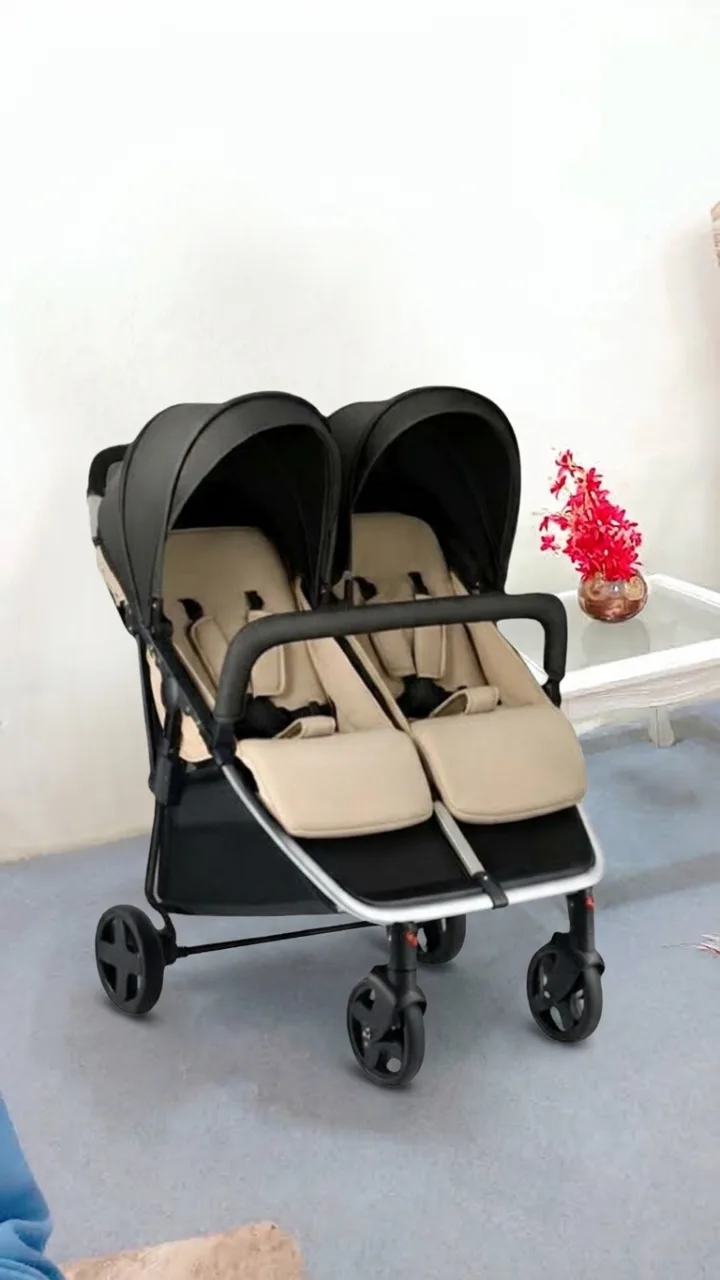
Checking a used Interwood kids & nursery furniture
These are specific to Interwood. The general kids & nursery furniture checks apply too and are on the kids & nursery furniture page.
Read the fitting maker's name
Pull a drawer right out and open a door, then read what is stamped into the runner and the hinge. That fitting maker's name and the runner length, not the furniture range, are what a hardware importer in Rawalpindi needs in order to sell you a replacement.
Veneer or melamine face?
Interwood runs both real-wood veneer and melamine-faced panels. Find an edge where the banding has lifted and look at the face beneath: a veneer is a thin skin over a differently coloured core and can be toned and sealed, whereas a melamine face cannot be toned at all.
Check the high-wear edges
Machine-applied edge banding lifts first where hands and feet load it — the top edges of ladder rungs, the top of a guard rail, the front edge of a study desk. Once it lifts, the bare core takes up water from ordinary wiping down and swells, and a swollen edge will not press back.
Look for off-jig drilling
Panels are bored on factory jigs, so the fixing holes sit on regular lines. Extra bores on an inner face, or a fitting screwed where no line runs, mean the piece has been repaired by re-drilling — which is what lets a re-assembled bunk rack diagonally under load.
Sight along the solid parts
The company states it seasons its own timber, which is the mechanism that keeps solid posts and rails from moving. Sight along any solid post anyway, because how a bunk was stored after sale matters as much, and a twisted post is a rejection rather than a repair.
What Interwood kids & nursery furniture are worth
- Bought-in branded hardware means a bent runner or a failed hinge is matched by maker's name and size at a hardware importer, so mechanism faults rarely cap the grade.
- Faced panels have no repair between toning a veneer chip and replacing the panel outright, and children's pieces take their damage on exactly the exposed edges, so surface condition sets the ceiling.
- A carpenter can copy a guard rail or a rung in the right profile and strength but cannot match a factory veneer or melamine face, so a fabricated safety part stays visible and has to be described.
General kids & nursery furniture checks
These apply whatever the badge on the front says — the kids & nursery furniture page covers them in full.
Measure the gaps between slats
On a cot, a standard drink can should not pass between two slats, and the spacing should be even the whole way round. Uneven gaps, a missing slat or one that has been glued back in mean the cot has already failed once.
Push the assembled bunk sideways
With the bunk standing, push the upper frame along its length and then across it, and do the same at a cot's corner posts with the side rail at its highest setting. These are the joints that carry a sleeping child. Sway with a click, or a gap opening at a post, is loosened knock-down fittings; a bolt that spins without biting means the hole is stripped and the post will not hold.
Lift the mattress base
Take the mattress out and lift the base board off its brackets. Check the metal brackets and screws that carry the base at each height setting for bending or rust, and look at the underside of the board for swelling or a tide mark left by liquid sitting there.
Check the mattress underneath
Cot mattresses take the worst of it. Stains, a sour smell or a hollow in the middle mean it should be replaced rather than reused, and a mattress that has been soaked usually tells you the board beneath it has swollen too.
Check the bunk guard rail
The guard rail on an upper bunk should sit well clear of the mattress top and be bolted rather than slotted into place. Rock the ladder in its brackets as well: rungs that turn in their sockets and hook-on ladders with worn hooks are the parts that fail first.
Count the fittings
Flat-pack cots, bunks and study desks are held together by model-specific bolts and barrel nuts. Count them against the holes and ask for the Allen key and instruction sheet. On a discontinued model, missing fittings mean matching threads by hand at a hardware shop.
Interwood kids & nursery furniture — questions
Is a second-hand Interwood bunk bed safe to buy?
Can a chipped Interwood panel be repaired?
Other kids & nursery furniture brands
Selling one instead? We buy used Interwood kids & nursery furniture for cash.