
Used Jinko generators, ups & solar in Islamabad & Rawalpindi
Is a used Jinko generators, ups & solar worth buying?
Jinko modules are imported from China and arrive in several generations that look much alike on a roof: Cheetah and Tiger Pro on P-type PERC cells, Tiger Neo on N-type. The JKM code on the rear label separates them, and it also gives the nameplate wattage and the format. Grade a used panel from that code and a meter, not from the series name a seller repeats.
Imported
Parts usually have to be imported or sourced from the grey market, so a repair takes longer and costs more — which matters more on an older unit than the build quality does.
There is nothing to repair on a module: junction boxes, diodes and MC4 connectors are the only replaceable parts and solar shops in both cities stock them, while a damaged laminate is the end of the panel. The manufacturer's performance warranty is registered to the original installation and does not travel with a used module, so the code and serial serve as identification rather than as cover.
Generators, UPS & Solar in stock now
Our current generators, ups & solar, across all brands — ask us on WhatsApp if you want Jinko specifically.
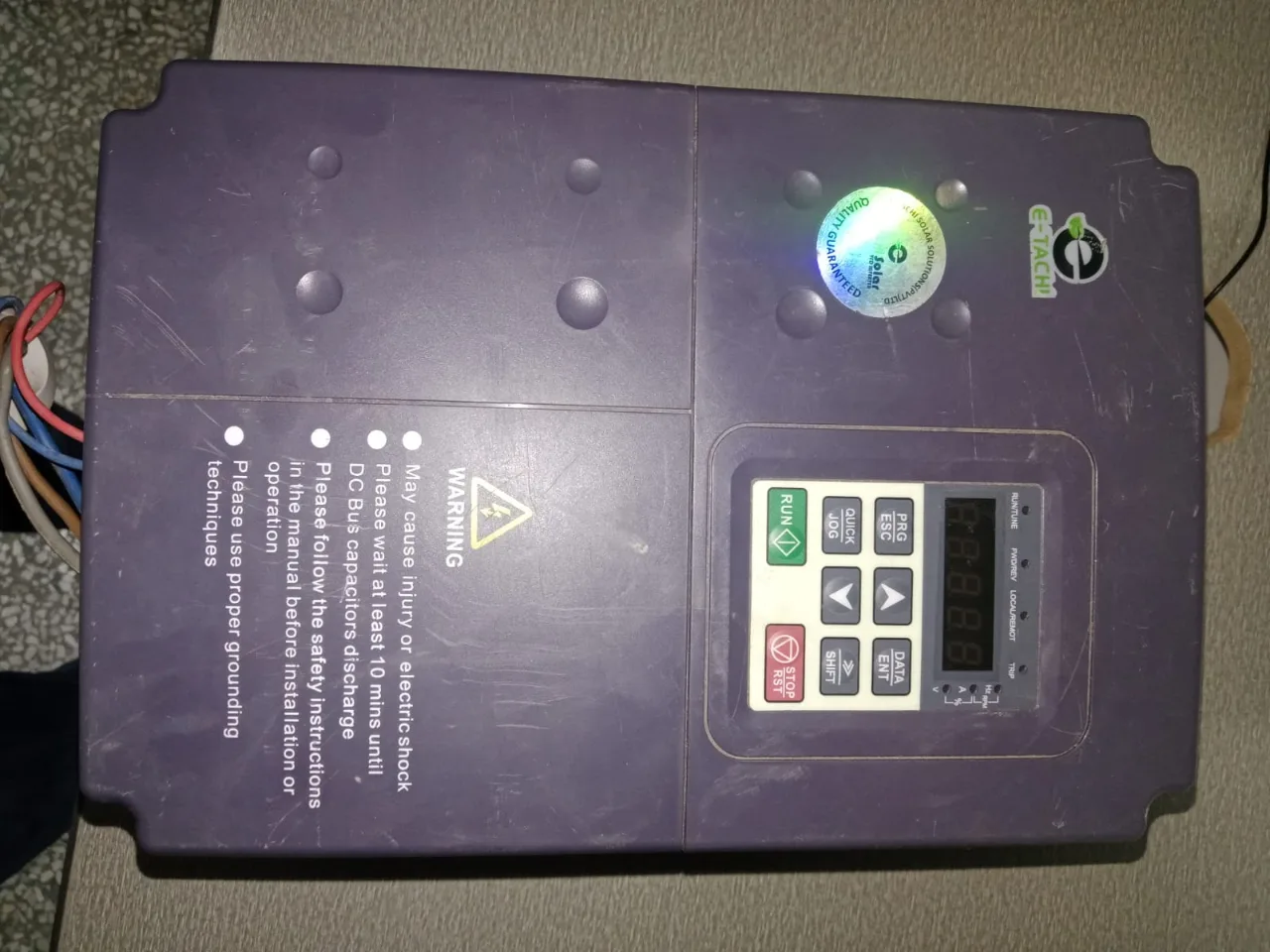
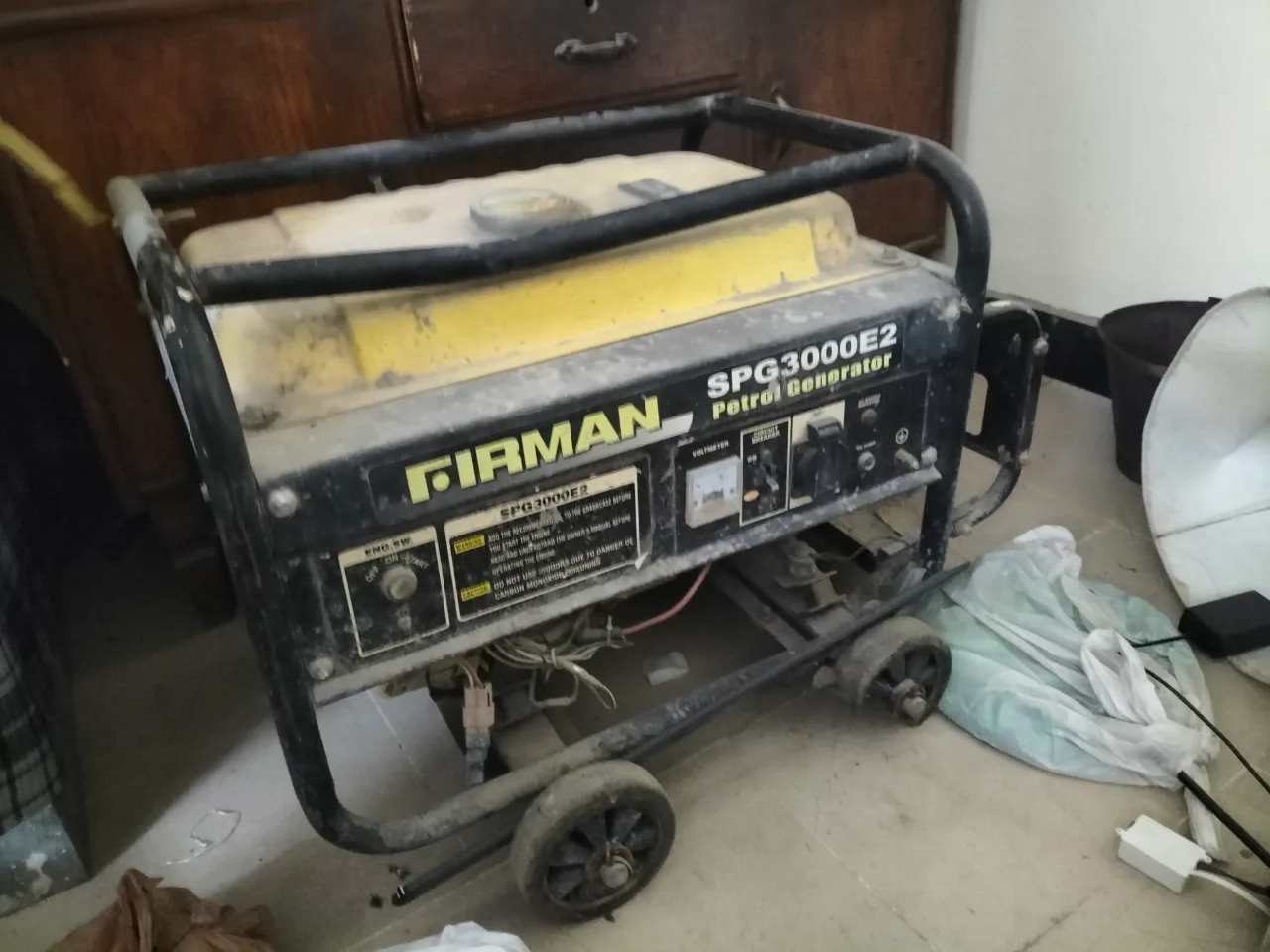
Checking a used Jinko generators, ups & solar
These are specific to Jinko. The general generators, ups & solar checks apply too and are on the generators, ups & solar page.
Decode the JKM number
Jinko model codes start JKM, followed by the nameplate wattage, a letter for the cell type and the cell count. That string tells you whether you are looking at an N-type Tiger Neo or one of the older P-type mono lines, which a sale advert's series name often does not.
Do not mix generations
N-type and P-type modules have different current and voltage characteristics, so a string mixing Neo and Pro runs down to its weakest member. Read the code on every panel in a lot rather than the one on top of the stack.
Find the laminated serial
Look for a serial printed inside the laminate at the edge of the cells as well as on the rear sticker, because an internal one cannot be swapped when a module is relabelled. Photograph both and check that they agree.
Meter for a dead half
These are half-cut modules, so a failed half shows up as a short-circuit current well below the label figure rather than as an open circuit. Measure in full sun and compare against the printed values; a current shortfall on a clean panel is a dead half, not dust.
Treat dual-glass differently
Bifacial dual-glass modules are glass front and back and heavier than the framed ones, so check the rear face for chips and cracks as carefully as the front. Clamping them outside the specified positions cracks the rear glass, which is why those positions are given at all.
What Jinko generators, ups & solar are worth
- The N-type Tiger Neo modules hold interest better than the older PERC lines, because they behave better in heat and lose output more slowly on the same roof.
- Code-identical lots are worth more than mixed ones, since a string only ever performs to its weakest module and two generations cannot be paired.
- Damage to the rear glass of a bifacial module is as final as a cracked front and easy to miss when panels are stacked face up, which is why those grade harder.
- A code and serial that can be read and checked support value, because a name this widely copied gets discounted by buyers wherever it cannot be verified.
Model lines you will see second-hand
- Tiger Neo
- Tiger Pro
- Cheetah
General generators, ups & solar checks
These apply whatever the badge on the front says — the generators, ups & solar page covers them in full.
Start it from cold
Ask that the generator has not been run that morning. A healthy engine catches within a few pulls, or on the first turn of the key, and settles to a steady note. Long cranking, a haze of unburnt petrol or blue smoke that will not clear after a minute points at worn rings or a carburettor that has been standing.
Run it under load
No-load running proves very little. Plug in something substantial, an iron or a heater, and listen. The engine should take the load with a brief dip and then hold. Lights that dim and brighten, or an engine hunting up and down, suggest a tired governor or a failing AVR.
Check the oil and smoke
Pull the dipstick before anything is started. Oil that is milky, thin or smells of petrol tells you more than any test run. Under load, black smoke is a fuelling problem and blue smoke is oil getting past the rings, and both are easier to spot before the engine is warm enough to hide them.
Inspect the battery bank
On a UPS or solar setup the batteries carry much of the value. Look for the manufacture date on the case, bulging sides, powdery corrosion at the terminals and low electrolyte in a tubular cell. A bank that charges full and then runs a couple of fans for minutes rather than hours is finished.
Watch the changeover
Switch off the main breaker with a fan and a light running. A sound inverter takes over without the fan stopping and without loud relay chatter. Note also whether it is a pure sine wave unit or a modified wave one, which makes fans and motors buzz and is wanted less.
Hold panels to the light
Look across a panel face at an angle. Cracked glass, hairline crazing across the cells, brown snail trails and bubbling of the plastic back sheet all mean output that will not come back. Check the junction box cover is sealed and the MC4 leads are not perished, and read the rating plate rather than trusting a quoted figure.
Jinko generators, ups & solar — questions
How do I tell a Jinko Tiger Neo from a Tiger Pro?
Can I add used Jinko panels to my existing array?
Other generators, ups & solar brands
Selling one instead? We buy used Jinko generators, ups & solar for cash.