
Used Royal fans & air coolers in Islamabad & Rawalpindi
Is a used Royal fans & air cooler worth buying?
Royal is a Gujrat fan maker, and Royal is also an ordinary English word that appears as a badge on all sorts of unrelated goods here. On a used fan that matters: the badge alone does not tell you who built it, so the rating plate has to. Beyond that, these are conventional AC induction fans whose whole repair economy — winding, bushes, capacitor, regulator — is local.
Made or assembled in Pakistan
Spares are widely stocked locally and most technicians in the twin cities have worked on these, so common faults are usually economic to repair.
Nothing electrical on a Royal is brand-specific — winding wire, bushes, bearings, capacitors and regulators are standard items in any Rawalpindi electrical market, so a rewind or a new capacitor is routine work. The awkward part is identification: with a common word for a badge, a shop cannot order against the brand, so anything physical has to be matched to the fan in front of them.
Fans & Air Coolers in stock now
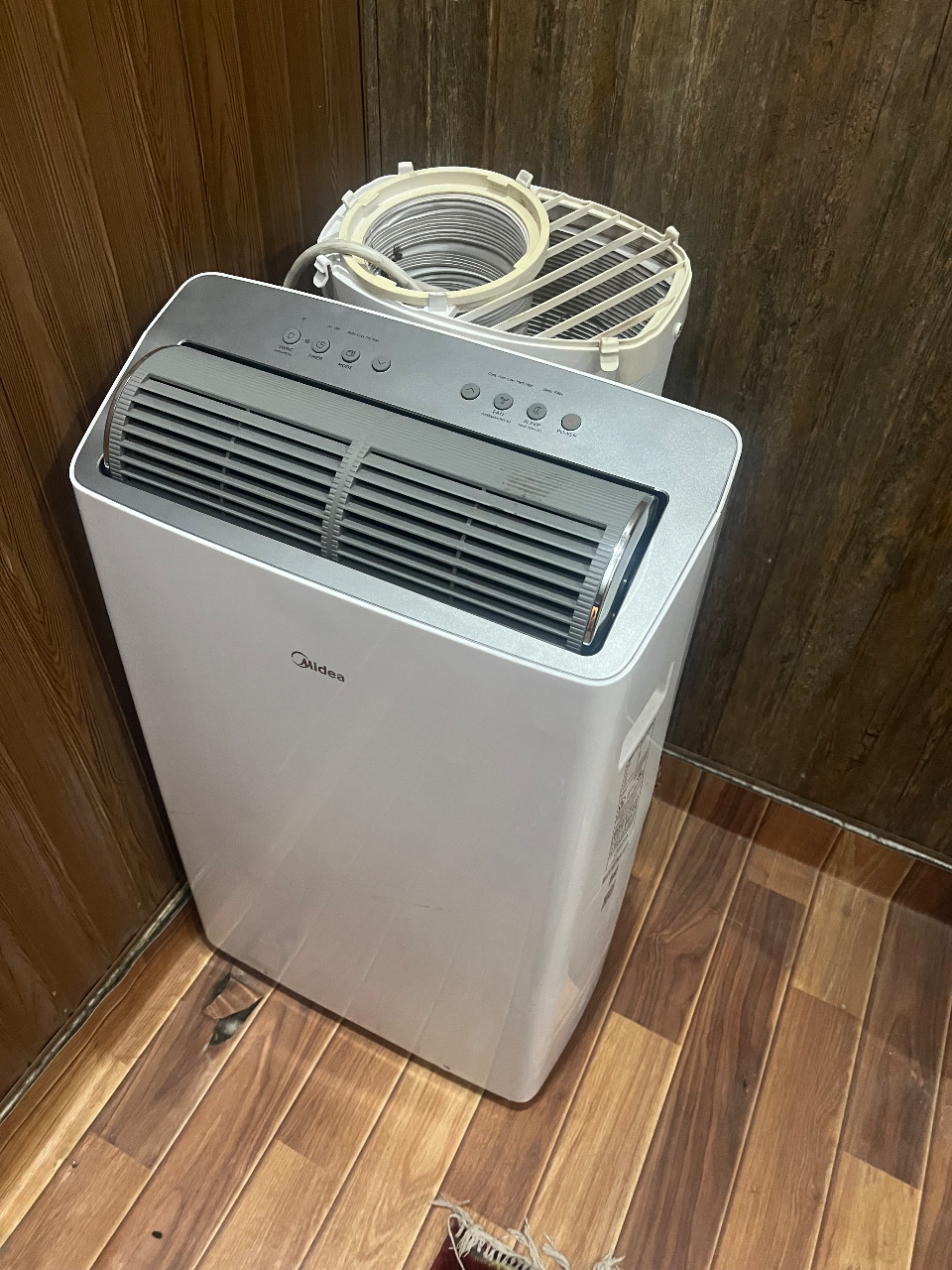
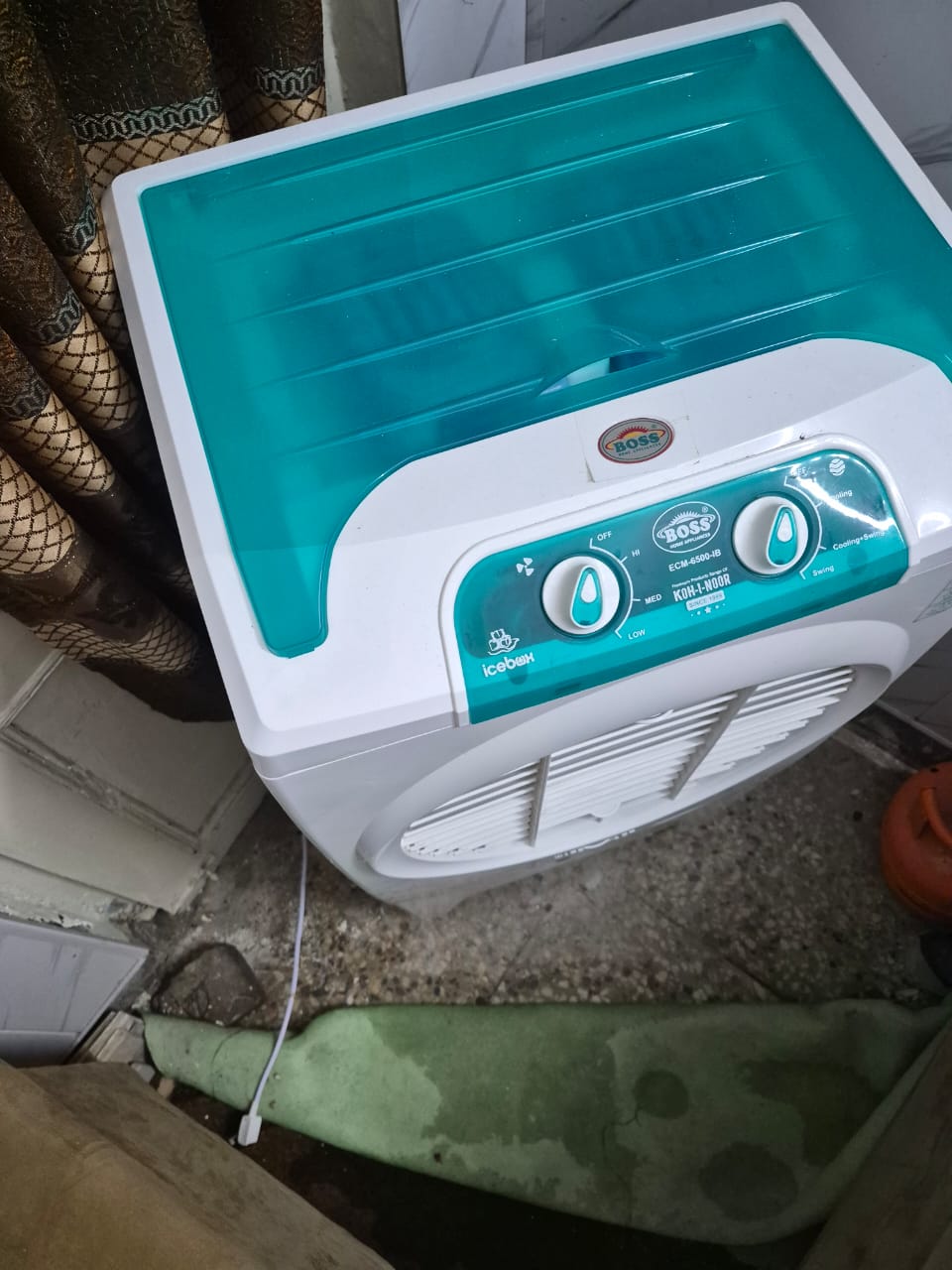
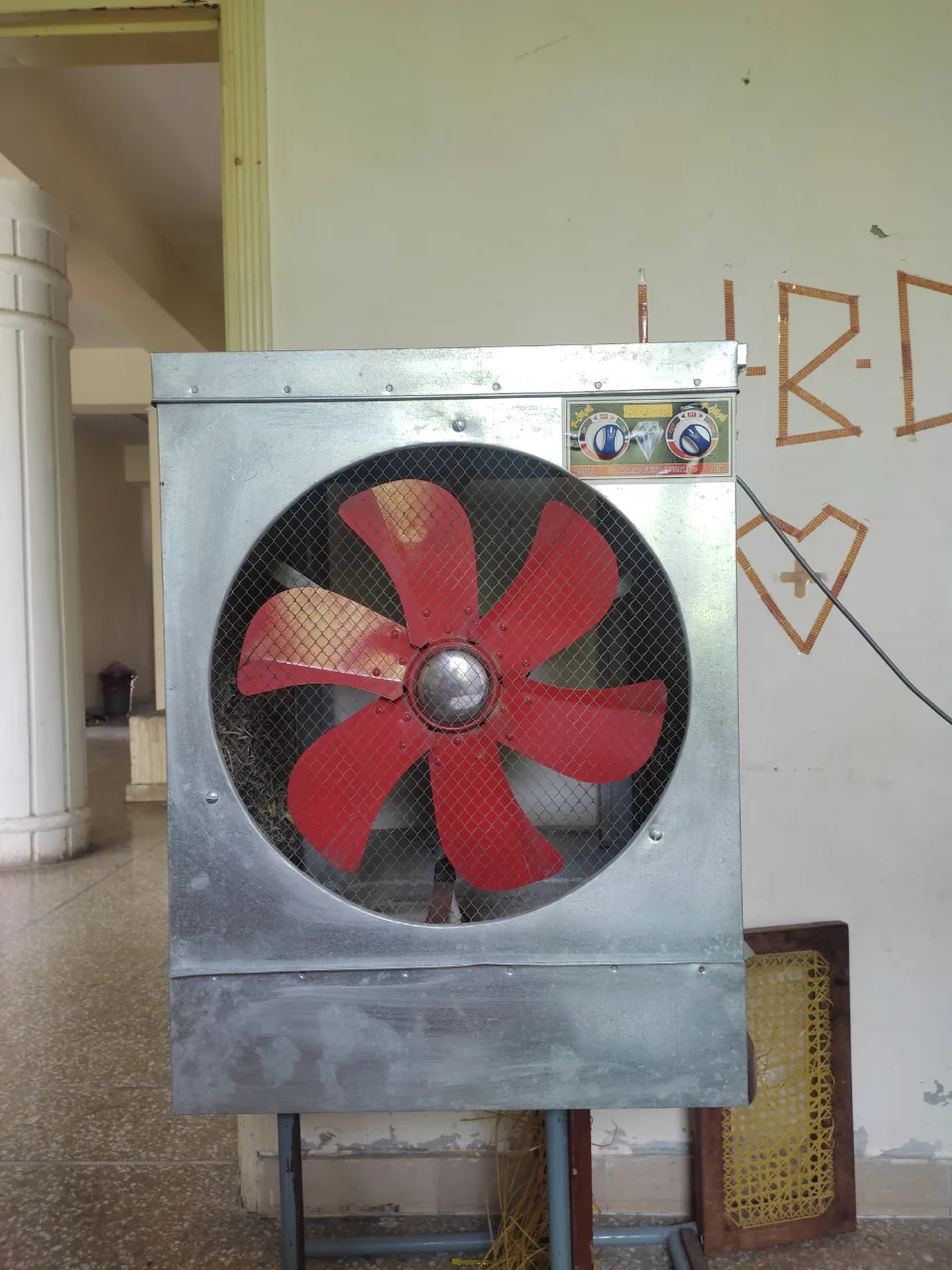
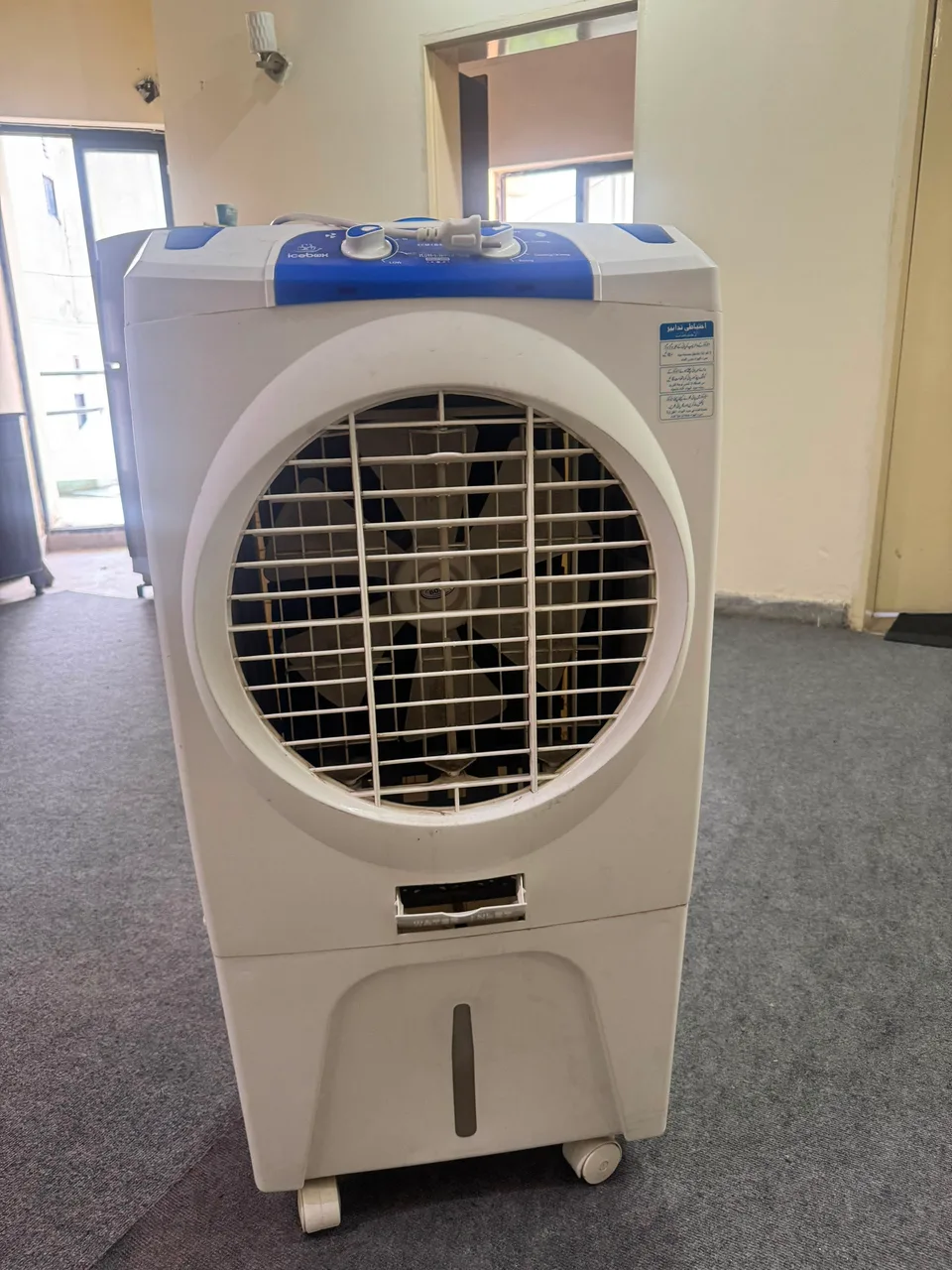
Our current fans & air coolers, across all brands — ask us on WhatsApp if you want Royal specifically.
Checking a used Royal fans & air cooler
These are specific to Royal. The general fans & air coolers checks apply too and are on the fans & air coolers page.
Establish who made it
Royal is a common word and it turns up as a badge on goods with nothing to do with the Gujrat fan maker. The rating plate should name a manufacturer and a town; if it names nobody, treat the fan as unbranded whatever the badge says.
Spin it by hand
With the power off, turn the blades and see how long they coast. A healthy fan carries on freely, while drag or a gritty feel means dry bushes or bearings — cheap work, but it tells you the fan has run a long time without oiling.
Look for heat browning
Shine a torch through the motor vents at the winding. Varnish that has darkened, or a smell of hot lacquer once the fan has run for a while, says the winding has been cooked and a rewind is due sooner than the fan's appearance suggests.
Ask what regulator it used
Fans behave differently on the two regulator types sold here. A fan that buzzes at its lowest setting on a dimmer-type electronic regulator is often quiet on a capacitor-type one, so test it on the regulator you will actually use before condemning the motor.
What Royal fans & air coolers are worth
- The badge adds nothing on its own here, so a plate naming the manufacturer is what separates a Royal from an anonymous fan in a buyer's mind and in the offer.
- Winding heat sets the ceiling, because a fan showing browned varnish is bought as a rewind candidate however tidy the body looks.
- Every repair on these is ordinary local work, so a mechanically tired Royal keeps a floor under it: the buyer is pricing a rewind, not a write-off.
General fans & air coolers checks
These apply whatever the badge on the front says — the fans & air coolers page covers them in full.
Spin the blades by hand
With the power off, turn the blades. A healthy fan coasts several turns and stops smoothly. A gritty feel, a rumble or a rotor that drags means dry or worn bushes, and a fan run in that state will cook its winding within a season.
Feel the motor housing
Run it on full for fifteen to twenty minutes, then put a hand on the housing. Warm is normal. Too hot to hold, or a smell like burnt varnish, means the winding is going. That smell never clears, and rewinding a domestic fan seldom repays what it costs.
Watch for wobble
Start a ceiling fan and watch the canopy. Wobble usually comes from a bent blade arm, mismatched blades or a loose down-rod rather than from the motor. Sight along each blade for a bend and check the mounting holes in the arms for elongation, which is what makes a fan impossible to balance afterwards.
Test the start
A fan that hums but only turns once you nudge a blade has a weak capacitor. It is an inexpensive part, but it should be found before money changes hands. Step through every regulator position too: a dead speed points at the regulator or a broken winding tap rather than at the capacitor.
Watch the cooler pads wet
Fill an air cooler's tank, switch the pump on and look at the top of the pads. Water should spread across the whole width within a minute. Dry stripes mean a blocked distributor pipe or a weak pump. Honeycomb pads that have collapsed or gone crusty with salt need replacing before the machine will cool at all.
Press the cooler tank
Push the sides of the water tank and inspect the drain plug and base corners. Plastic that has stood in the sun goes chalky and brittle, and hairline cracks there open up as soon as the tank is full. While you are there, spin the blower wheel by hand for bearing noise and work the swing louvre through its travel.
Royal fans & air coolers — questions
Why does the Royal name appear on so many different appliances?
Why does my used Royal fan hum at low speed?
Other fans & air coolers brands
Selling one instead? We buy used Royal fans & air coolers for cash.