
Used Orient fans & air coolers in Islamabad & Rawalpindi
Is a used Orient fans & air cooler worth buying?
Orient is an appliance house rather than a fan works, and its fans are electronics-led: the DC inverter models run from a controller and a remote instead of a capacitor. That decides everything second-hand, because a Gujrat winder can rebuild a motor but not a controller, and the controller and remote are ordered against the model through Orient's appliance service network.
Made or assembled in Pakistan
Spares are widely stocked locally and most technicians in the twin cities have worked on these, so common faults are usually economic to repair.
Conventional Orient fans and coolers are ordinary work for any winder in Islamabad or Rawalpindi. Controllers and remotes for the DC inverter models are model-matched and come through Orient's appliance service network, which is the one route the Gujrat parts market cannot cover.
Fans & Air Coolers in stock now
Our current fans & air coolers, across all brands — ask us on WhatsApp if you want Orient specifically.
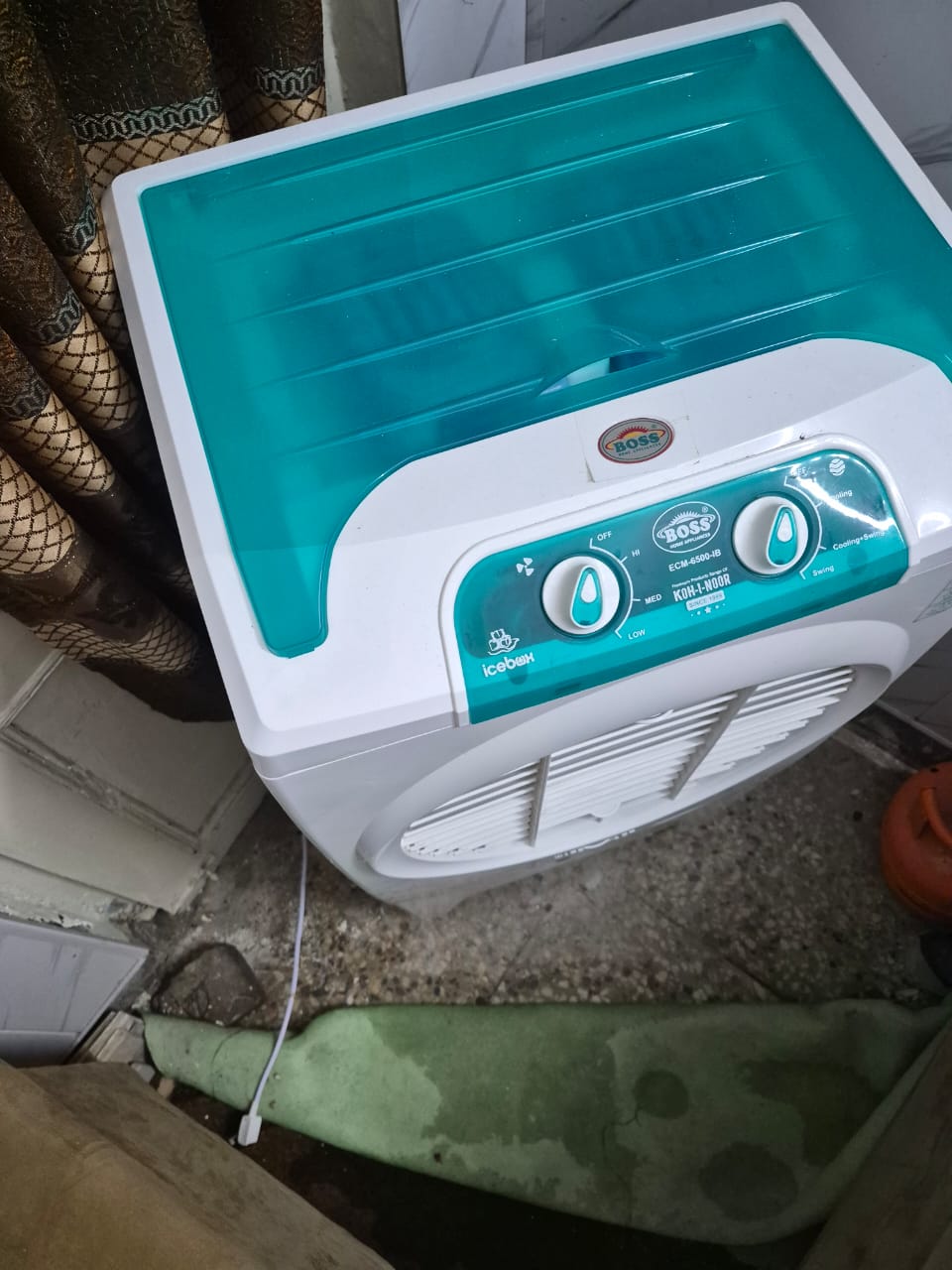 Like New
Air Cooler
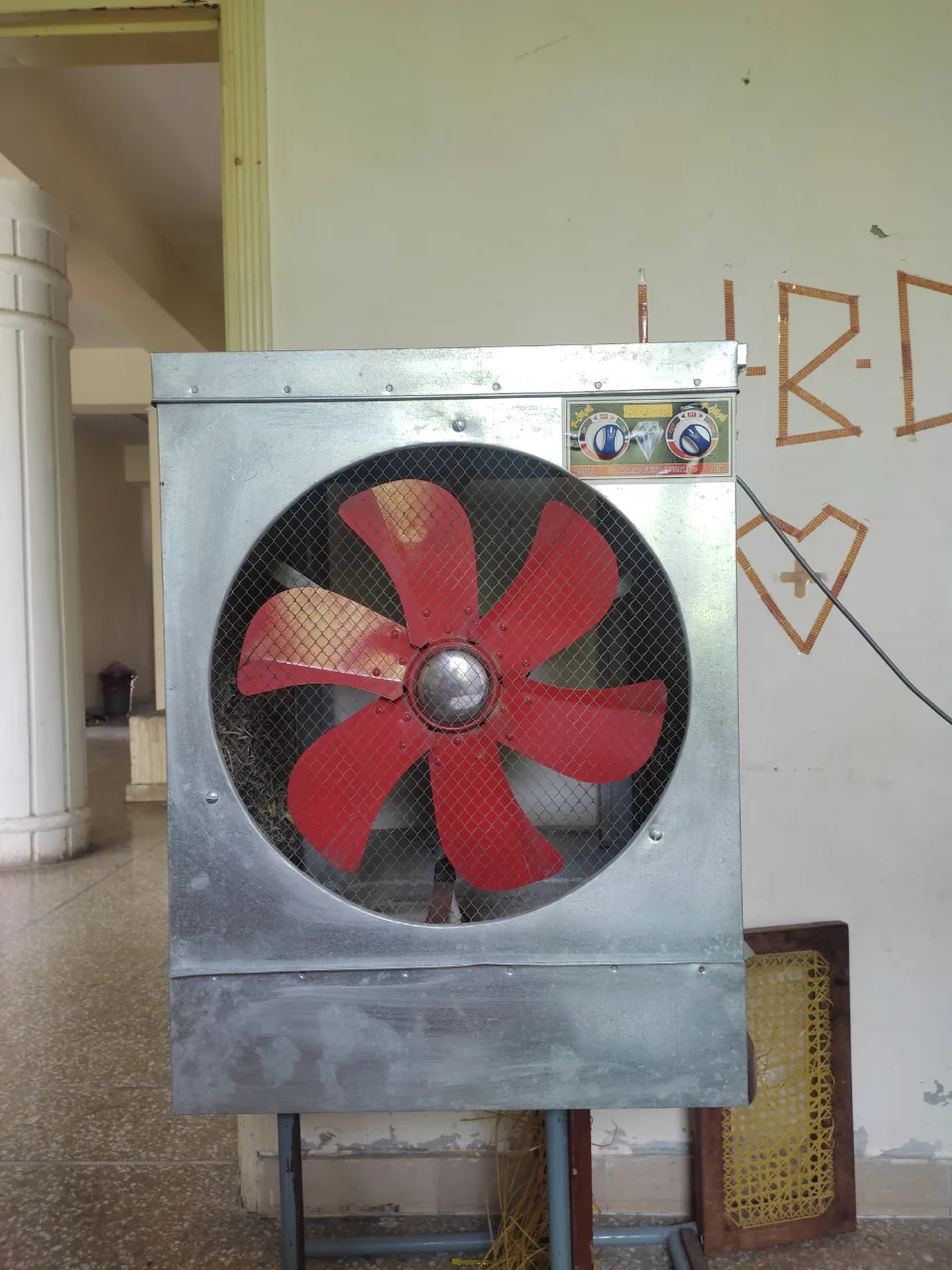 Like New
Haier
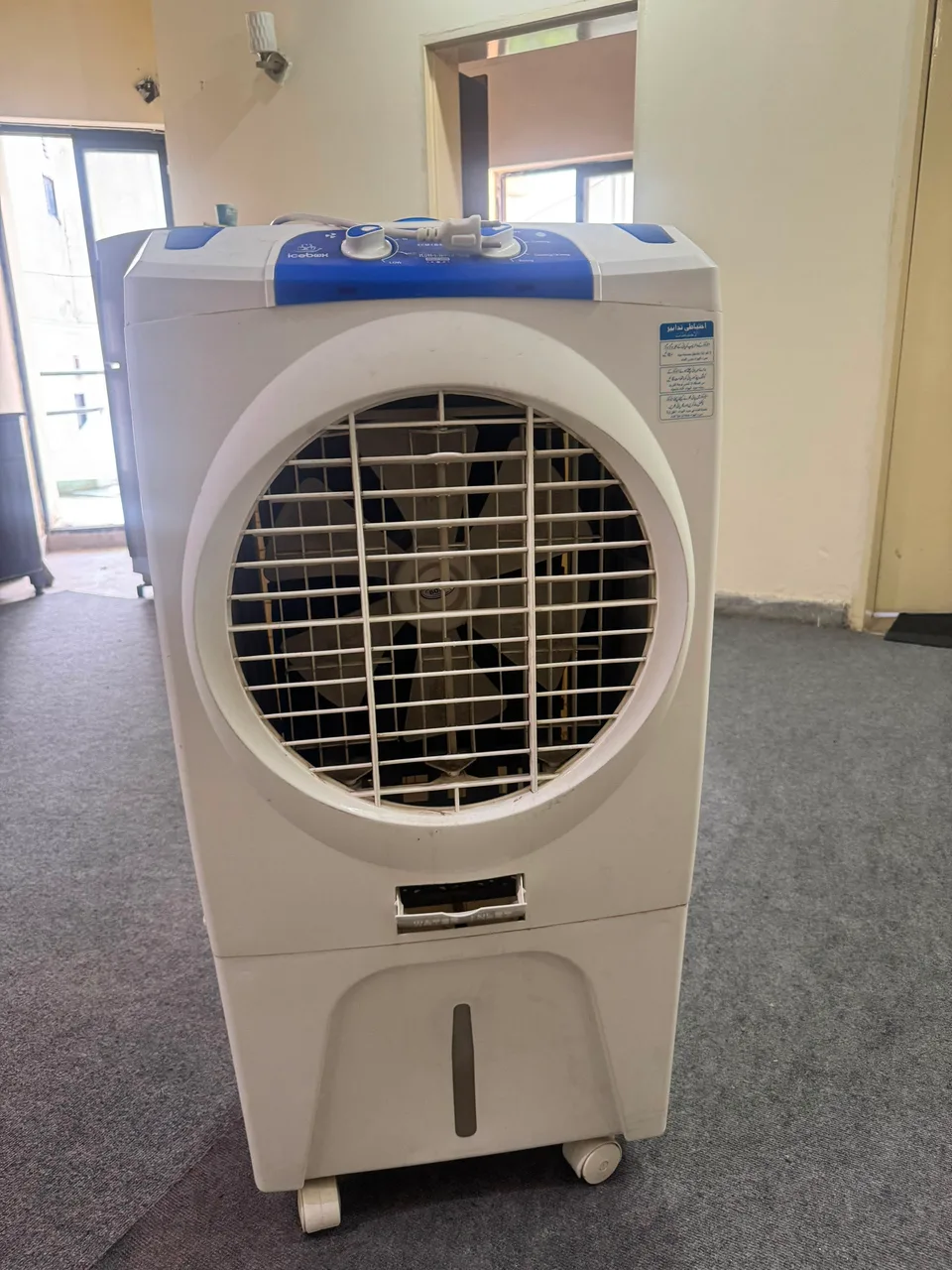 Like New
Air Cooler
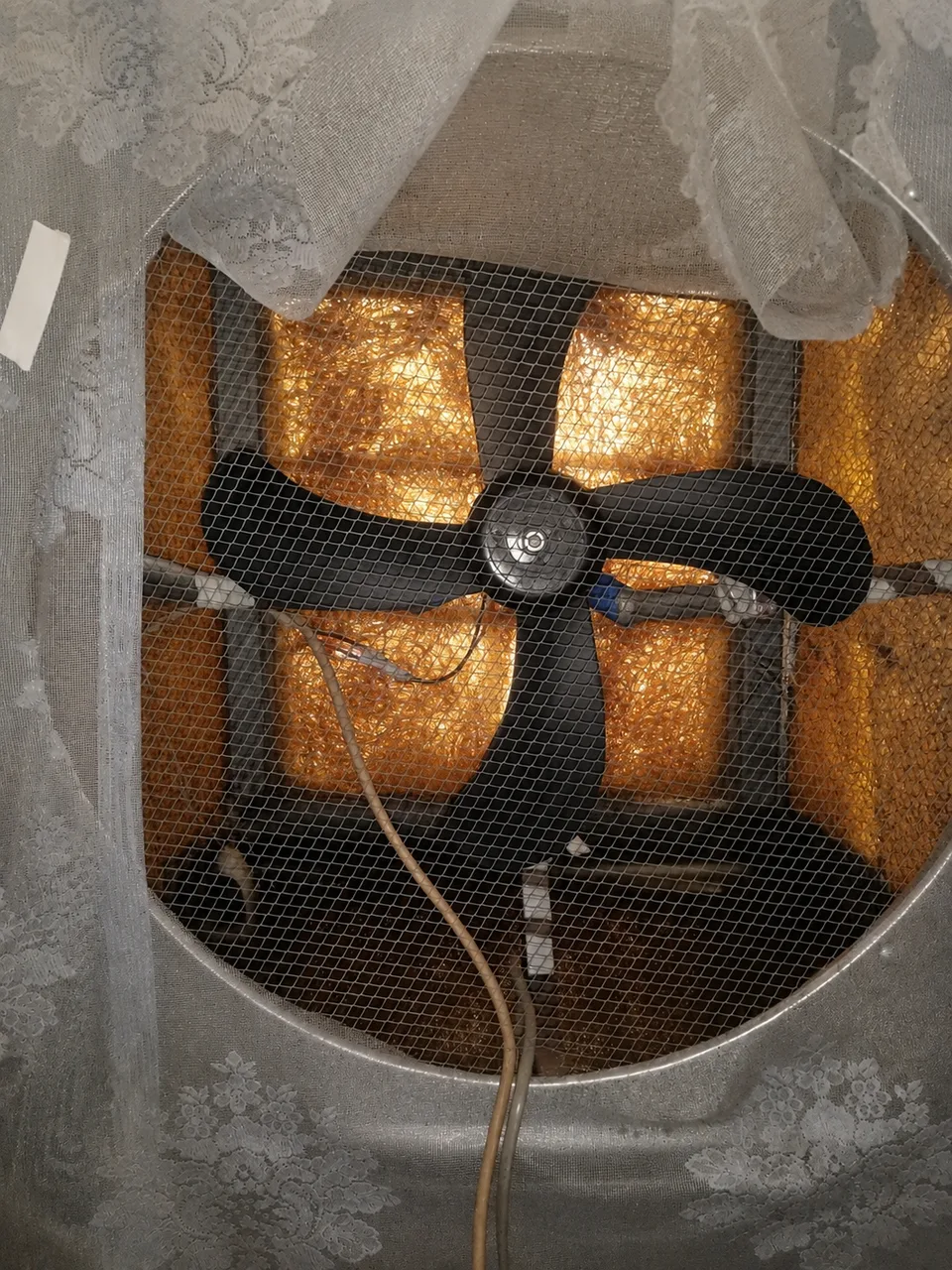 Good Used
Lahori Cooler
Checking a used Orient fans & air cooler
These are specific to Orient. The general fans & air coolers checks apply too and are on the fans & air coolers page.
Look for a run capacitor
A true DC inverter fan has no run capacitor; it has a controller and usually a wide input-voltage range printed on the plate. Find a capacitor in the canopy or switch box and you are looking at an ordinary induction fan, whatever the sticker says.
Step through every speed
Work the remote from the lowest step to the highest and back down. A controller replaced with a generic board typically loses the upper steps, the timer and the reverse function, so the fan answers only some of the buttons.
Cut the supply and watch
Switch it off at the wall, wait, then switch it back on and note what the fan does. A unit that comes back at a default speed and has lost its timer has usually been fitted with a substitute board rather than the original.
Listen at the lowest step
A controller-driven fan should turn slowly and almost silently at its lowest setting. Ticking or a stutter on starting points at the controller, which is the opposite of an induction fan, where a poor start points at the capacitor.
What Orient fans & air coolers are worth
- An Orient DC fan holds value only as a complete set of motor, controller and matched remote, because any one of them missing is the piece a local winder cannot supply.
- Where Orient beats the Gujrat fan brands is that the controller and remote are ordered against the model through an appliance service network, so a dead board is a part to fit rather than the end of the fan.
- Demand holds up for fans that keep turning on a weak supply, which supports resale on the controller-driven models, since an induction fan slows and heats when voltage drops.
General fans & air coolers checks
These apply whatever the badge on the front says — the fans & air coolers page covers them in full.
Spin the blades by hand
With the power off, turn the blades. A healthy fan coasts several turns and stops smoothly. A gritty feel, a rumble or a rotor that drags means dry or worn bushes, and a fan run in that state will cook its winding within a season.
Feel the motor housing
Run it on full for fifteen to twenty minutes, then put a hand on the housing. Warm is normal. Too hot to hold, or a smell like burnt varnish, means the winding is going. That smell never clears, and rewinding a domestic fan seldom repays what it costs.
Watch for wobble
Start a ceiling fan and watch the canopy. Wobble usually comes from a bent blade arm, mismatched blades or a loose down-rod rather than from the motor. Sight along each blade for a bend and check the mounting holes in the arms for elongation, which is what makes a fan impossible to balance afterwards.
Test the start
A fan that hums but only turns once you nudge a blade has a weak capacitor. It is an inexpensive part, but it should be found before money changes hands. Step through every regulator position too: a dead speed points at the regulator or a broken winding tap rather than at the capacitor.
Watch the cooler pads wet
Fill an air cooler's tank, switch the pump on and look at the top of the pads. Water should spread across the whole width within a minute. Dry stripes mean a blocked distributor pipe or a weak pump. Honeycomb pads that have collapsed or gone crusty with salt need replacing before the machine will cool at all.
Press the cooler tank
Push the sides of the water tank and inspect the drain plug and base corners. Plastic that has stood in the sun goes chalky and brittle, and hairline cracks there open up as soon as the tank is full. While you are there, spin the blower wheel by hand for bearing noise and work the swing louvre through its travel.
Orient fans & air coolers — questions
How can I tell an Orient DC inverter fan from an ordinary one?
Can a local winder repair an Orient DC fan?
Other fans & air coolers brands
Selling one instead? We buy used Orient fans & air coolers for cash.